Oral Hygiene
Consistent oral hygiene helps control plaque, reduce inflammation, and protect the structure of your teeth and gums. At North Ridge Family and Cosmetic Dentistry, we guide patients through practical, easy-to-follow care routines that support healthier outcomes over time.

Can Poor Oral Hygiene Affect Overall Health?
Oral health plays an important role in how the rest of your body functions. When plaque builds up on teeth and along the gumline, harmful bacteria can multiply. This may lead to gum inflammation and infection, which allows bacteria to enter the bloodstream more easily.
Maintaining good oral hygiene helps reduce bacterial levels in the mouth, supports healthier gums, and lowers the risk of inflammation spreading beyond the oral cavity.
Oral Hygiene Tips to Follow Between Visits
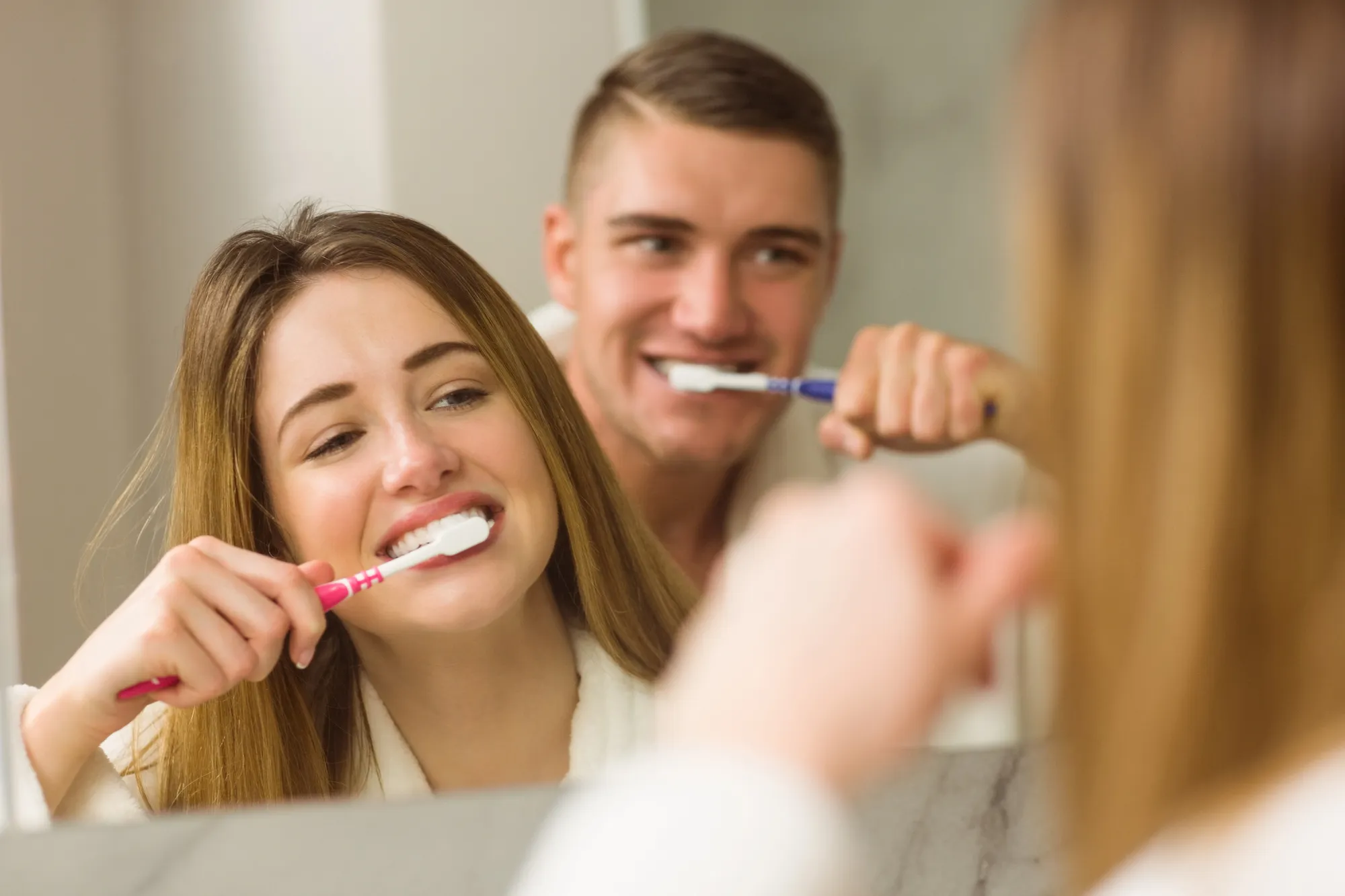
- Brush twice a day using fluoride toothpaste: Brushing in the morning and before bed helps remove plaque, bacteria, and food particles that contribute to cavities and gum irritation.
- Floss: Flossing removes buildup between teeth and along the gumline, where plaque often forms first and can lead to gum inflammation.
- Replace your toothbrush every three to four months: Worn bristles become less effective at cleaning and may allow bacteria to remain on the teeth.
- Use mouthwash to support brushing and flossing: Mouthwash can help reduce bacteria and freshen breath, but it works best as an added step, not a replacement for brushing or flossing.
- Be mindful of certain foods: Sugary or acidic foods and drinks can weaken enamel and increase cavity risk, especially when consumed frequently throughout the day.
- Drink water throughout the day: Water helps rinse away food particles and bacteria while supporting saliva production, which plays a natural role in protecting teeth.

When Should You Visit the Dentist?
Most patients benefit from cleanings and exams every six months, but your dentist may recommend a different schedule based on your oral health. Patients with gum concerns, frequent cavities, or sensitivity may need additional visits.
You should also schedule an appointment if you notice bleeding gums, tooth pain, swelling, sensitivity, or changes in how your teeth fit together.
Ask Us About Our Flexible Financing Options with Sunbit
 Sunbit - Apply Online in 60 Seconds
Sunbit makes it easier to fit dental care into your budget with flexible payment options and a quick application process. Apply online in about 60 seconds without affecting your credit score.