Root Canal Therapy in North Raleigh, NC
A damaged or infected tooth can cause persistent pain and threaten your oral health, but it doesn’t have to mean losing your tooth.
Endodontic treatment at North Ridge Family and Cosmetic Dentistry stops infection, relieves discomfort, and preserves your natural smile, all in a comfortable, efficient procedure.
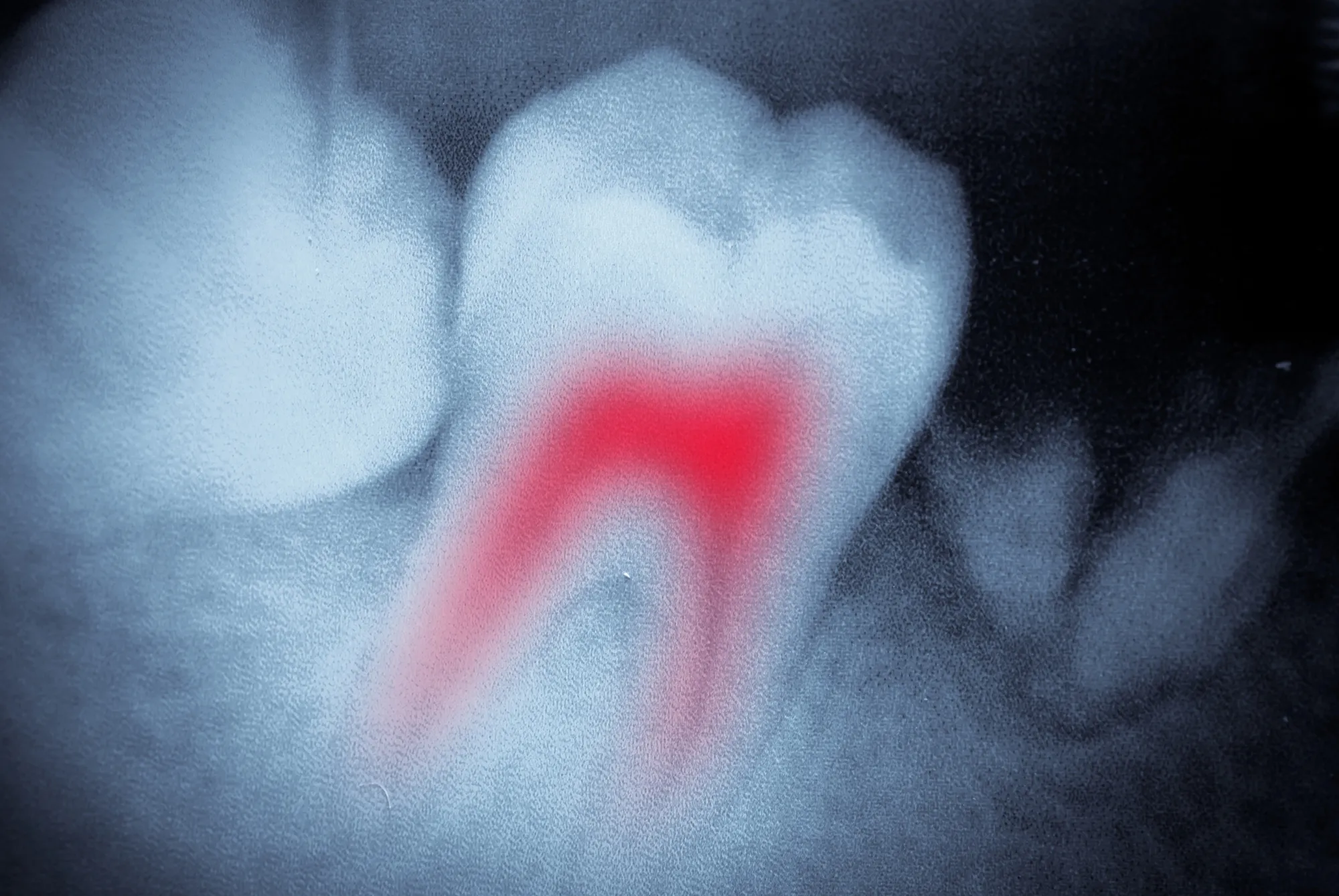
What is Endodontic Treatment?
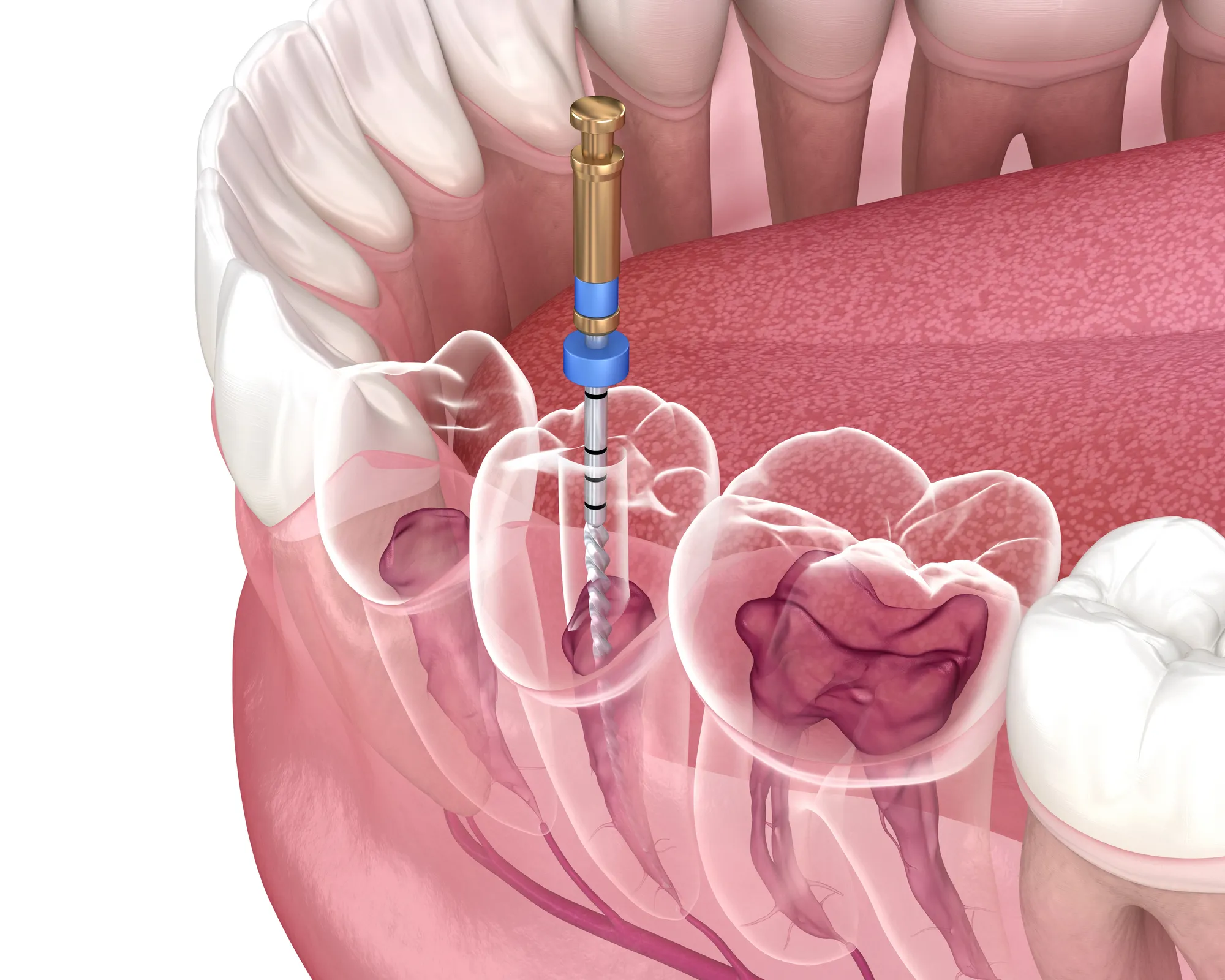
Root canal therapy, or endodontic treatment, focuses on the inside of your tooth, specifically the pulp, where nerves and blood vessels reside. When this area becomes infected or damaged, removing the infected tissue and sealing the tooth stops the spread of infection and relieves pain.
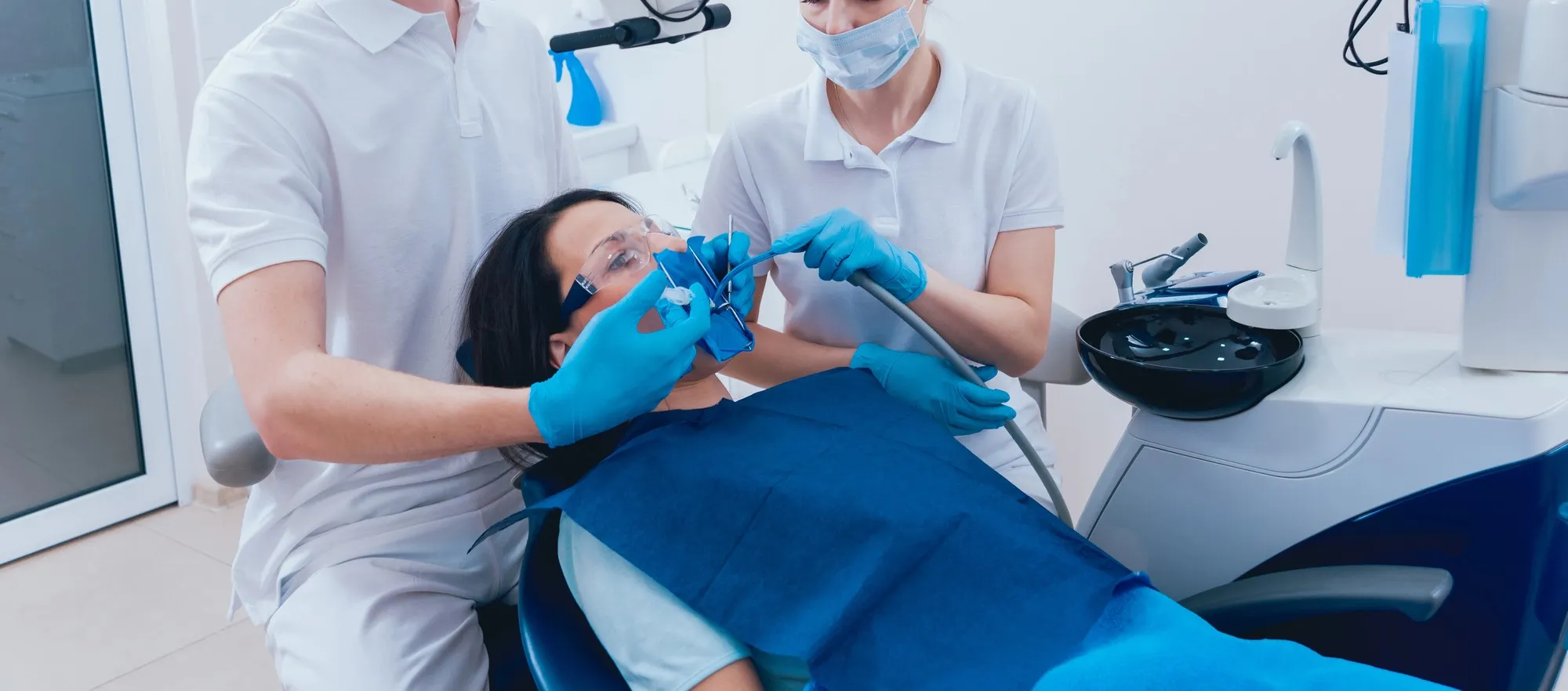
During the procedure, your dentist:
- Numbs the area with local anesthesia for a comfortable experience
- Removes infected or damaged pulp from the tooth’s root canals
- Cleans and shapes the canals to prevent further infection
- Fills and seals the canals to restore the tooth’s structure
- Places a dental crown, if needed, to strengthen and protect your tooth

Why Is Root Canal Therapy Necessary?
You might need a root canal if your tooth has:
- Deep decay reaching the pulp
- Cracks or chips exposing the nerve
- Severe tooth pain or sensitivity to hot and cold
- Swelling or infection at the tooth root
Treating these issues promptly prevents more extensive procedures, including tooth removal. In most cases, saving the natural tooth is the better long-term choice.
Is Root Canal Therapy Painful?
Thanks to modern techniques and anesthesia, root canal therapy is typically no more uncomfortable than getting a filling. Some mild soreness after the procedure is normal and can be managed with over-the-counter pain relievers.
For patients who experience significant dental anxiety, our sleep dentistry options are available to make the appointment more comfortable.
How to Care for Your Tooth After Treatment
- Maintain regular brushing and flossing to keep the area clean. Good oral hygiene is especially important after root canal therapy
- Avoid chewing hard foods until the restoration or crown is complete
- Schedule follow-up appointments for final restoration
- Report any unusual pain or swelling to your dentist promptly

Ask Us About Our Flexible Financing Options with Sunbit
 Sunbit - Apply Online in 60 Seconds
Sunbit makes it easier to fit dental care into your budget with flexible payment options and a quick application process. Apply online in about 60 seconds without affecting your credit score.