.webp)
Exploring options for dental bridges in Raleigh is a smart step when you want to restore your smile and improve daily comfort. Dental bridges fill spaces created by missing teeth and help support natural chewing, speaking, and confidence. With several types available, understanding what makes each one unique helps you choose the option that feels right for your lifestyle, goals, and budget. This simple guide brings clarity and gives you the confidence to take your next step.
Understanding Your Dental Bridge Options
Traditional Dental Bridges Offer Strong, Reliable Support
Traditional bridges are the most common choice. They use crowns on the teeth next to the gap to hold your new tooth in place. This option works well when the surrounding teeth are healthy and strong. Patients choose traditional bridges because they blend naturally with nearby teeth and offer long-lasting stability for everyday use.
Cantilever Bridges Work When Only One Supporting Tooth Is Available
Cantilever bridges attach to a single neighboring tooth. They’re helpful when the gap has only one natural tooth beside it. Your dentist may recommend this style when placement allows for secure support without adding stress to other areas. They work best in low-pressure zones of your mouth, which helps maintain comfort and long-term success.
Maryland Bridges Provide a More Conservative Option
Maryland bridges use small metal or ceramic wings bonded to the back of nearby teeth. Since they don’t require full crowns, they preserve more natural tooth structure. This makes them a great choice for patients wanting a minimally invasive solution. They work best when the bite isn’t too strong in the treated area, helping keep them secure and comfortable.
Implant-Supported Bridges Offer Maximum Stability
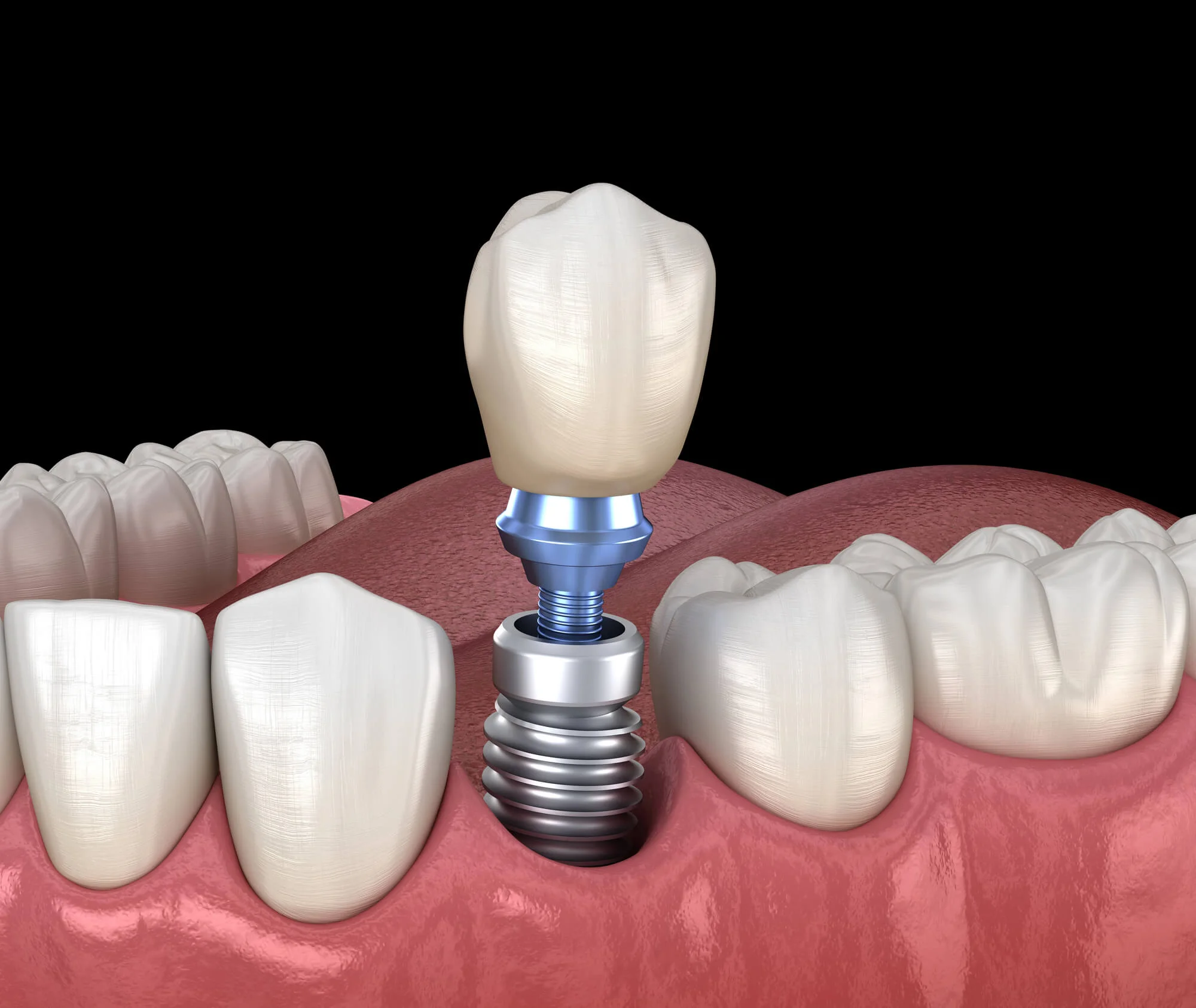
Implant-supported bridges rely on dental implants instead of natural teeth. This creates strong anchoring and prevents bone loss over time. They’re ideal for patients missing several consecutive teeth and seeking a durable, long-term solution. While they take more time to complete, the results feel natural and effectively support bite strength.
Factors to Consider When Choosing Your Bridge
Cost, durability, oral health, and the number of missing teeth all affect your final choice. Your dentist will assess your gum health, tooth strength, and your daily comfort needs. The right bridge should feel stable, look natural, and fit your goals without adding extra stress to surrounding teeth. A clear discussion helps match you with the best option.
How to Care for Your Dental Bridge
Daily brushing and flossing keep your bridge clean and protect the surrounding teeth. Special flossing tools help maintain the area beneath the bridge. Regular dental visits ensure everything stays secure and comfortable. Good care extends the life of your bridge and supports your overall oral health.

Explore Your Options for Dental Bridges in Raleigh Today
Choosing a dental bridge becomes easier once you understand each option and how it fits into your oral health needs. Your dentist will guide you through the benefits of every type and help you picture how your smile will look with each solution. With clear information and supportive care, you can move forward with confidence and peace of mind.
If you’re ready to explore dental bridges in Raleigh, schedule a visit today and take the first step toward a stronger, more complete smile.